

Why Homeowners Ask This Question Before a Kitchen Upgrade
Kitchen Cabinets are often the centerpiece of a kitchen renovation, but many homeowners in Greenwood Village hesitate when they realize the backsplash is already in place. The problem is simple: removing tile can be messy, expensive, and time-consuming. The agitation sets in when people imagine cracked drywall, uneven walls, or needing to retile the entire kitchen just to update cabinetry. That fear often delays upgrades or leads to rushed decisions that don’t age well. The good news is that, in certain situations, it is possible to install new cabinetry without tearing out an old backsplash. The key lies in understanding wall conditions, cabinet design, measurements, and long-term performance so the final result looks intentional, not compromised.
How Kitchen Cabinets and Backsplashes Interact on the Wall
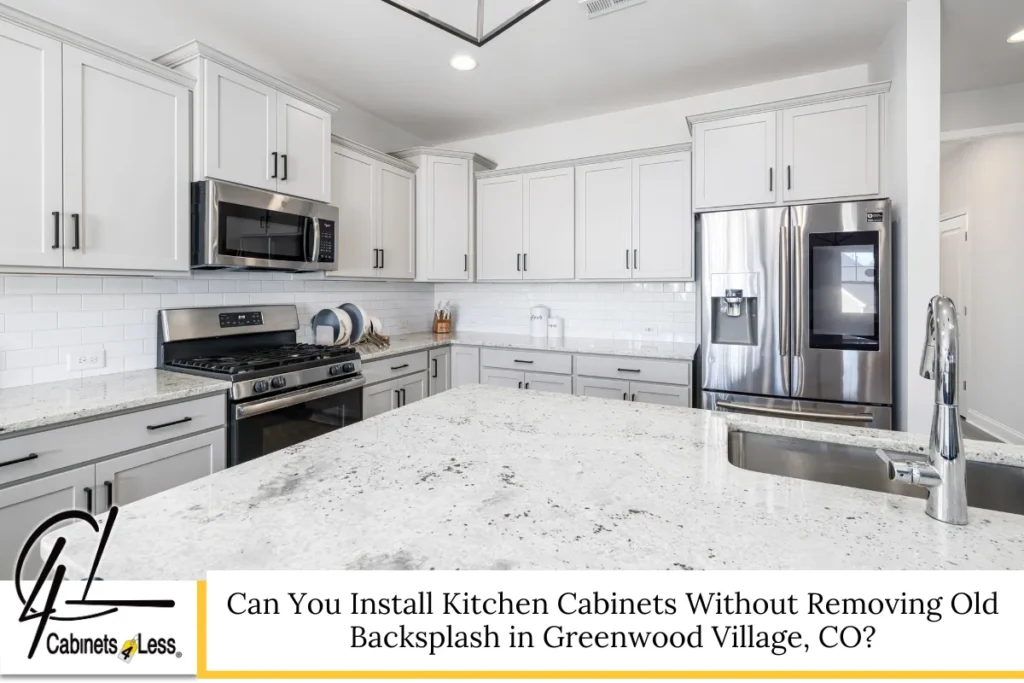
Cabinetry and backsplashes are installed in layers, but they are designed to work together visually and structurally. In most kitchens, base cabinets are installed first, followed by countertops, and then the backsplash is applied to protect the wall behind sinks and prep areas. Upper cabinets typically go up before backsplash tile, allowing the tile to tuck cleanly underneath.
When an older backsplash already exists, that sequence is reversed. The wall surface may no longer be flat, and the thickness of tile, stone, or glass can interfere with how a kitchen cabinet sits flush against the wall. This interaction is what determines whether leaving the backsplash in place is practical or risky.
Situations Where Keeping the Old Backsplash Is Possible
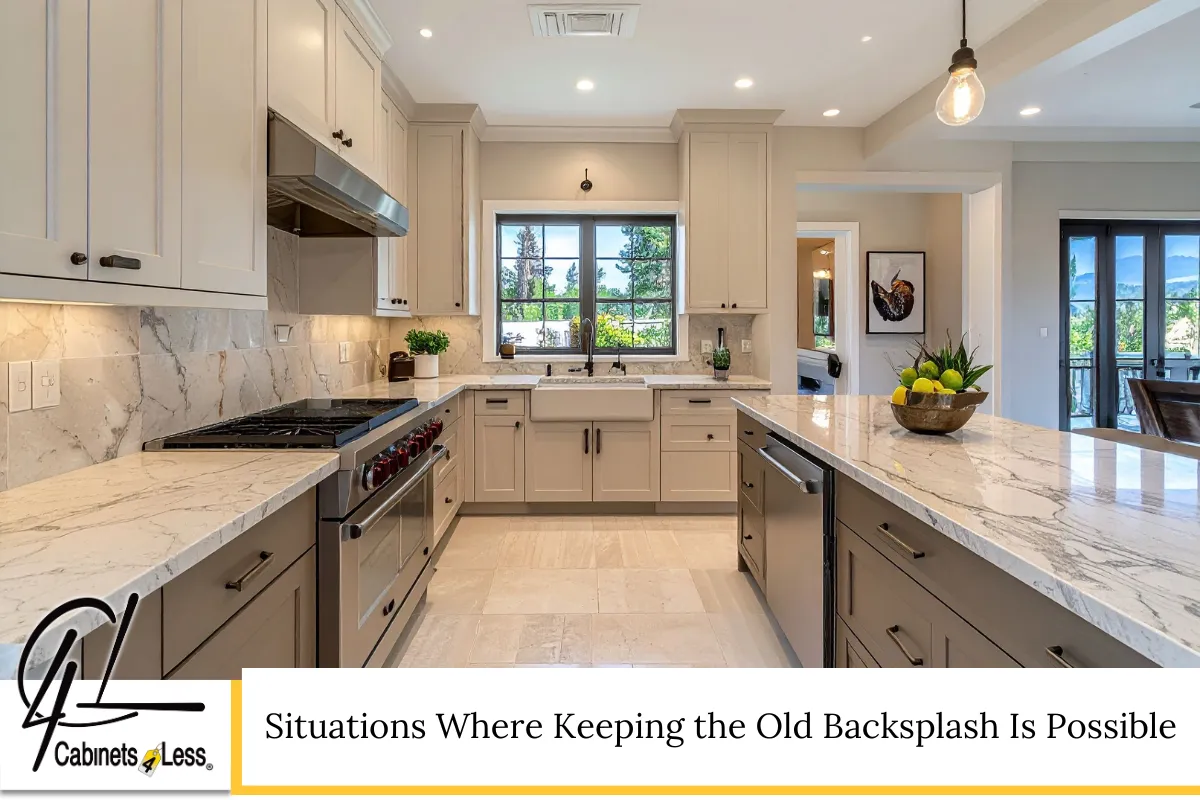
Not every kitchen renovation requires demolition. In some cases, existing tile can remain without compromising the new cabinets.
Flat, Even Tile Surfaces
If the backsplash is thin and installed evenly, cabinets may sit properly without rocking or leaving visible gaps. Ceramic tile with minimal texture is the easiest to work around, especially when it ends below the cabinet mounting line.
Matching Cabinet Dimensions
If the new kitchen cabinetry closely matches the dimensions of the old units, alignment becomes easier. This is common in kitchens where homeowners are upgrading materials or finishes rather than changing the layout.
Partial Backsplashes Below Cabinet Lines
Some kitchens have a backsplash that only rises a few inches above the countertop. In these cases, upper cabinets may never touch the tile, making removal unnecessary.
Decorative or Specialty Backsplashes
Stone mosaics or custom designs that are expensive or difficult to replace may be worth preserving if they do not interfere with cabinet installation.
When Removing the Backsplash Is the Smarter Move
Leaving tile in place can save time, but it is not always the best choice. Certain conditions almost guarantee problems down the road.
Uneven or Textured Tile
Highly textured materials can prevent cabinets from sitting flat, leading to stress on mounting hardware. Over time, this can cause doors to shift or cabinets to loosen.
Height or Layout Changes
If the new kitchen cabinet configuration changes the height or spacing of cabinets, the old backsplash may be exposed in awkward areas. This often results in visible gaps or mismatched lines that are hard to hide.
Water Damage or Aging Adhesives
Older kitchens may have moisture issues behind tile. Installing cabinetry over compromised walls can trap problems out of sight, leading to future repairs that cost more than removal would have.
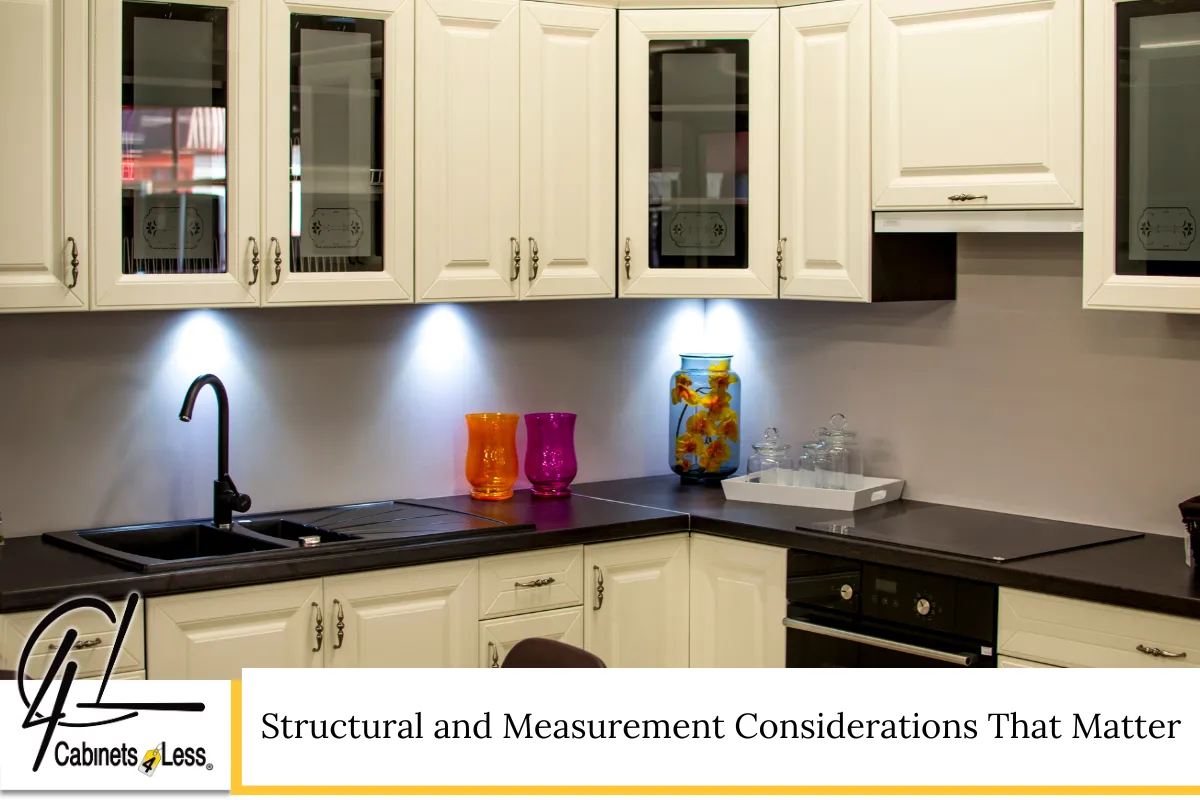
Structural and Measurement Considerations That Matter
Wall Flatness and Tolerances
Professional installers rely on tight tolerances to ensure cabinets are level and secure. Even a small deviation caused by tile thickness can create alignment issues across an entire wall of cabinetry.
Fastening and Anchoring Challenges
Mounting upper cabinets requires direct fastening into wall studs. Tile can complicate drilling, increase the risk of cracking, and make it harder to achieve a tight connection.
Electrical and Plumbing Conflicts
Outlets, switches, and plumbing lines may need adjustment when cabinet sizes change. Existing backsplash tile can limit access or make modifications more difficult.
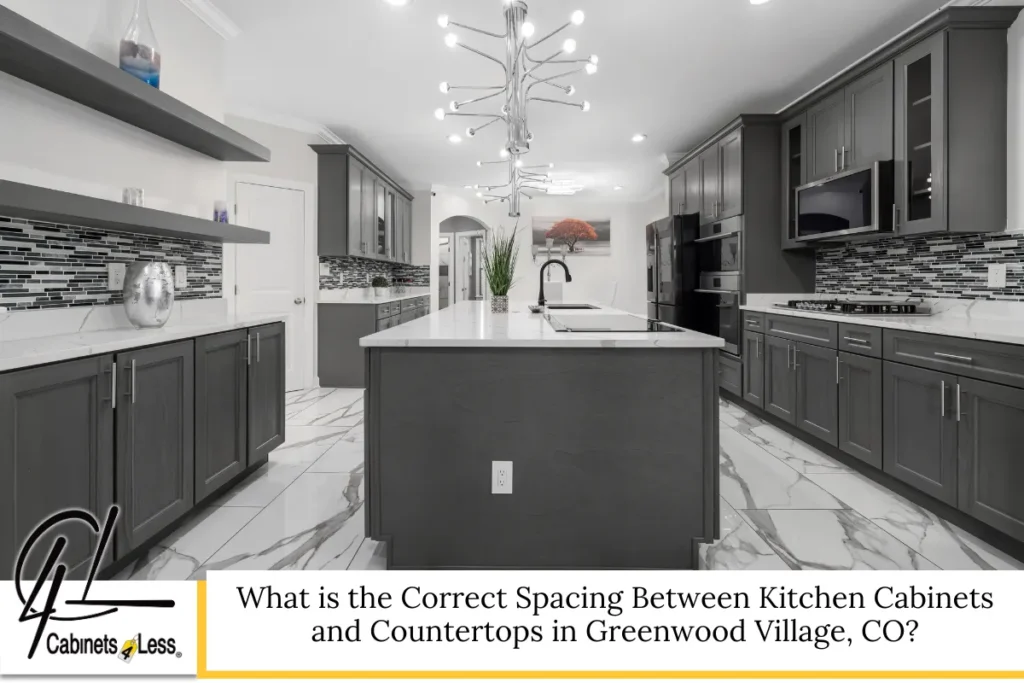
Read What is the Correct Spacing Between Kitchen Cabinets and Countertops in Greenwood Village, CO?
Visual Impact and Design Consistency
Seam Lines and Shadow Gaps
When cabinets are installed over tile, small shadow lines may appear where surfaces meet. These lines can draw the eye and make even high-end kitchen cabinets look poorly planned.
Cabinet Trim and Filler Solutions
In some kitchens, trim pieces or fillers can hide gaps between cabinetry and tile. While effective, these solutions must be planned carefully to avoid looking like afterthoughts.
Color and Finish Coordination
An older backsplash may clash with new cabinet finishes. Even if installation is technically possible, the overall kitchen design may feel disjointed.
Cost Comparison: Remove or Work Around?
Removing a backsplash adds labor, disposal costs, and potential wall repair. However, working around existing tile may require additional customization, trim work, or longer installation times.
Homeowners often find that modest demolition upfront leads to a cleaner, more flexible installation. Others prioritize preserving materials and reducing downtime. The right choice depends on budget, timeline, and design goals.
Long-Term Performance of Cabinets Installed Over Tile
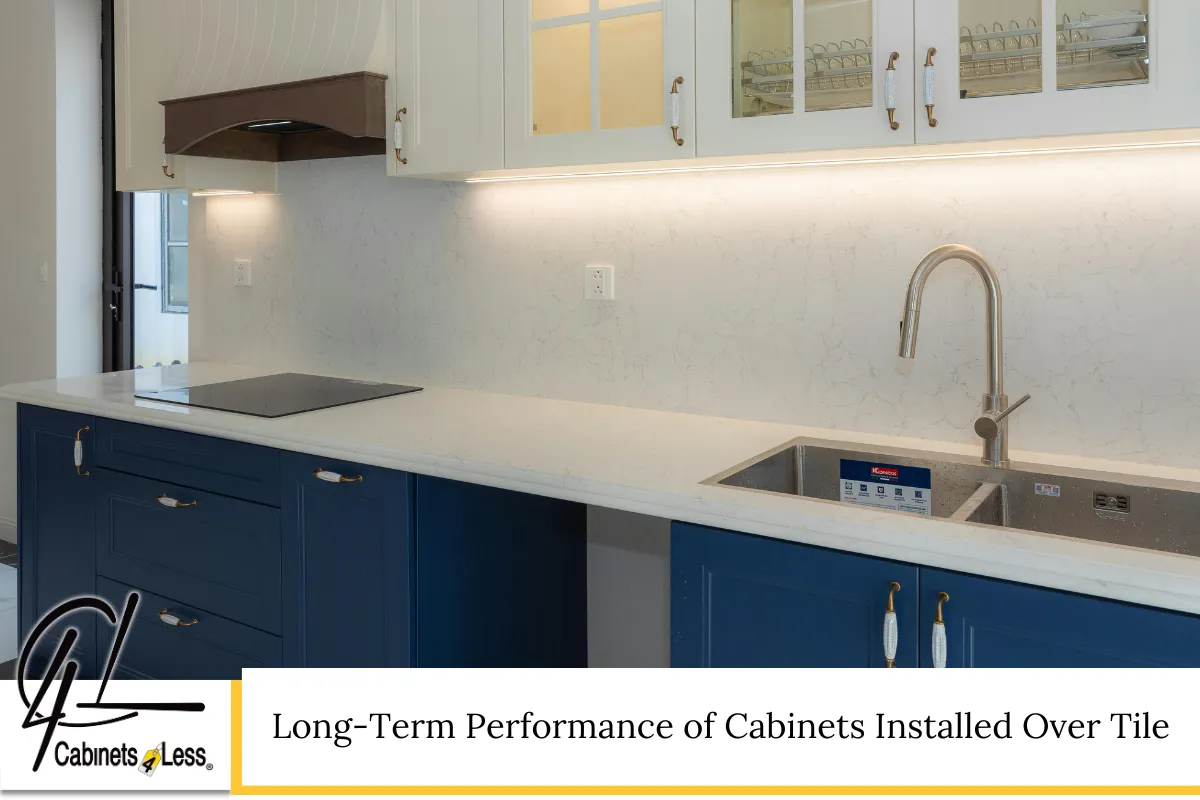
Cabinetry is meant to last decades. Any compromise made during installation can affect durability.
- Cabinets that do not sit flush may experience uneven weight distribution
- Fasteners installed through tile may loosen over time
- Future updates become more complicated if layers are stacked
Thinking beyond the initial install helps homeowners avoid regret years later.
How Local Conditions in Greenwood Village Influence the Decision
Homes in Greenwood Village often feature higher-end kitchens with custom details. Tile backsplashes may be part of an original design intended to complement cabinetry that no longer exists. Matching that quality level is important for resale and everyday enjoyment.
Additionally, older homes may have wall substrates that require careful evaluation before new cabinets are installed. Climate-related expansion and contraction also make precise installation more important than ever.
Planning Ahead for a Smoother Kitchen Update
Before ordering from a cabinet store or visiting a cabinet showroom, homeowners should:
- Measure wall thickness including tile
- Inspect for hidden damage
- Consider future countertop or appliance upgrades
- Decide whether preserving the backsplash supports the new design
Early planning reduces surprises and keeps the project on track.
Making the Right Choice for Your Kitchen’s Future
Installing kitchen cabinets without removing an old backsplash is sometimes possible, but it is never a one-size-fits-all answer. The smartest renovations balance practicality, appearance, and long-term value. Whether the backsplash stays or goes, understanding the implications ensures your kitchens remain functional, beautiful, and built to last.
Kitchen Cabinets in Greenwood Village, CO – C4L Cabinetry LLC

At C4L Cabinetry LLC, we help homeowners in Greenwood Village make confident decisions about kitchen cabinets before installation ever begins. We guide you through cabinet styles, sizing, finishes, and layout options so your kitchen cabinetry works with your existing space, including questions about keeping or removing a backsplash. While we don’t handle installation ourselves, we proudly refer clients to reputable contractors who understand how to install cabinetry correctly. Visit our cabinet showroom, explore design possibilities, or call us to discuss your project goals. Contact us today at (303) 862-6470 or fill out our form to start planning a kitchen that truly fits your home.
Frequently Asked Questions
Can installing cabinets over tile reduce cabinet lifespan?
Installing cabinets over tile does not automatically shorten their lifespan, but it can introduce risks. Uneven surfaces may place stress on fasteners or cause doors to shift over time. Proper anchoring into wall studs is essential, and if tile interferes with that process, longevity may be affected. Careful evaluation helps avoid these issues.
Will leaving the backsplash affect future countertop replacement?
Yes, it can. If the backsplash remains and the countertop thickness changes in the future, gaps or misalignment may appear. This can limit material choices later or require partial tile removal. Planning cabinetry placement with future upgrades in mind helps maintain flexibility.
Are floating or frameless cabinets harder to install over existing tile?
Frameless or floating-style cabinets typically require very precise installation. Tile thickness can interfere with flush mounting and alignment, making installation more challenging. These styles often benefit from backsplash removal to achieve clean lines and proper support.
Does keeping the backsplash impact cabinet warranties?
Some cabinet manufacturers require installation on flat, prepared surfaces to maintain warranty coverage. Installing over tile without proper preparation could potentially void certain warranty terms. It’s important to review product guidelines before finalizing your plan.
Can trim fully hide gaps caused by tile thickness?
Trim can conceal small gaps, but it has limits. Large variations in wall depth may still be noticeable and affect the overall look. Trim works best as a design accent, not as a solution for major surface inconsistencies.
Disclaimer: This article is for informational purposes only and does not replace professional evaluation. Installation requirements vary by home, materials, and manufacturer specifications. Always consult qualified professionals before beginning a kitchen renovation.
Read Greenwood Village Cabinet Showroom: Can I See Painted Cabinets in Person?