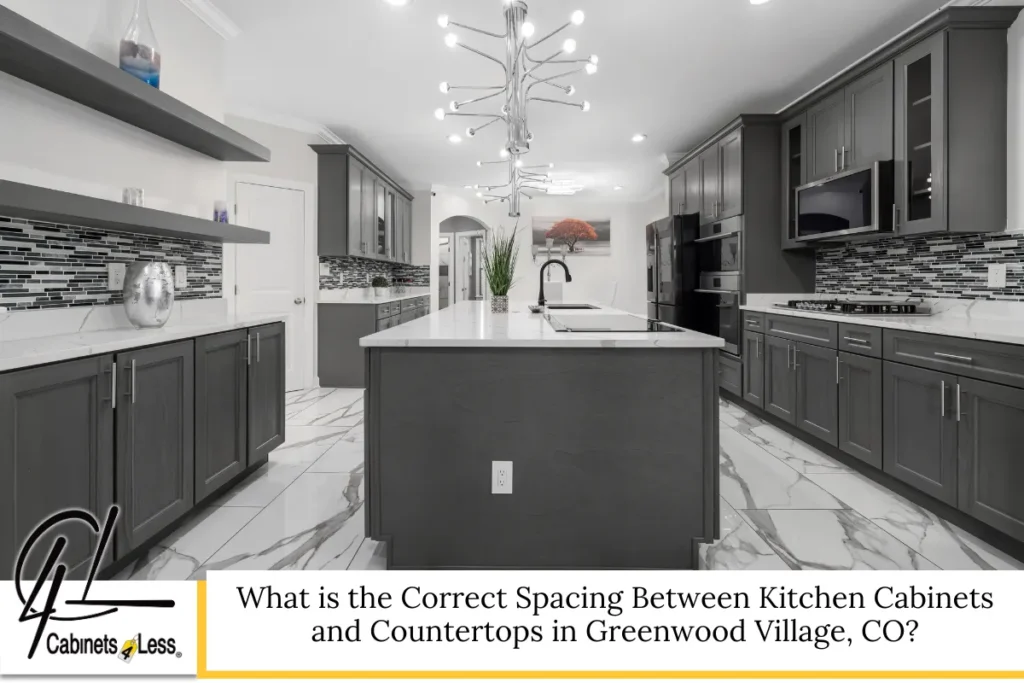


Kitchen cabinets are often the single biggest visual element in a home’s cooking space, and when they start looking tired, it is tempting to rip everything out and start fresh. But in most Denver homes, refinishing or refacing costs significantly less than replacing cabinetry, especially when the layout and cabinet boxes are still in good shape. Refinishing is usually 50% to 70% cheaper than full cabinet replacement, which makes the math hard to ignore.
The Denver metro area carries labor rates that run roughly 8% to 11% above national averages. Denver’s high-altitude climate also affects labor costs and material choices for refinishing, because dry air and wide temperature swings demand finishes that resist cracking and yellowing. When you factor in those realities, “cheaper” is not only about the upfront bill but also about lifespan, disruption to your daily routine, and impact on resale value in local neighborhoods.
Key Takeaways
- Refinishing kitchen cabinets in Denver typically costs between $2,000 and $6,500, while full cabinet replacement generally starts around $15,000 and can exceed $40,000, making refinishing the more affordable route in most cases.
- Cabinet refacing costs between $4,000 and $9,500 on average and offers a middle-ground option with new doors, drawer fronts, and updated hardware.
- Replacement becomes the smarter move when cabinet boxes are failing, the layout needs a major change, or homeowners want high-end custom cabinetry with modern storage features.
- Preserving sound existing cabinets reduces waste and avoids damage to adjacent finishes like hardwood floors and countertops.
- Read on for detailed cost breakdowns, timelines, and value-boosting tips for cabinets in Denver.
How Cabinet Refinishing and Refacing Work on Existing Cabinets
Refinishing and cabinet refacing are two different processes that share one thing in common: they keep your existing cabinet boxes in place. Cabinet refinishing involves cleaning, sanding, priming, and applying coatings such as stain, paint, or a clear topcoat. Cabinets made of plywood or solid hardwood are ideal candidates for refinishing because these materials accept new finishes well. Painting cabinets requires thorough cleaning, sanding, and priming for proper adhesion, though painting cabinets can lead to chipping and peeling over time if preparation is rushed or low-quality products are used.
Cabinet refacing replaces doors and drawer fronts only. The contractor installs new door styles, updated hinges, and veneer or laminate over the visible face frames and sides of the existing structure. Refacing allows for customization with new hardware and finishes, and refacing offers customization options like new hardware and glass panels for homeowners who want a more dramatic style change. Both approaches usually keep countertops, backsplash, and hardwood floors in place, which reduces cost and mess considerably.
Cost Breakdown in Denver: Refinishing, Refacing, and Replacing Kitchen Cabinets
Costs vary by kitchen size, door style, and material quality, so the numbers below reflect Denver-specific ballpark ranges rather than national averages.
Painting cabinets costs between $1,500 and $5,000 for a typical project. Professional refinishing of a standard 10×10 kitchen generally falls between $2,000 and $6,500 in Denver, depending on the finish type and condition of existing surfaces. Resurfacing costs range from $125 to $375 per linear foot, and labor costs for resurfacing can range from $100 to $300 per linear foot. A small kitchen of 10 linear feet costs less to resurface than a large L-shaped or U-shaped layout with an island.
Cabinet refacing costs range from $4,000 to $9,500 on average when new cabinet doors, drawer fronts, and veneer are included. Material choice significantly impacts resurfacing costs – solid wood doors run higher than thermofoil or laminate options.
Full cabinet replacement in Denver generally starts around $15,000 and can exceed $40,000 for semi-custom selections. At the high end, full cabinet replacement can exceed $77,000 when homeowners choose premium custom cabinets with specialized storage, soft close drawer glides, and designer-grade finishes. Projects that require moving plumbing or adjusting appliances trigger additional trades and possibly permits, which raise the total project budget.
Read How Much Does It Cost to Replace Kitchen Cabinets in Denver, CO?
When It Makes Financial Sense to Refinish or Reface Instead of Replace
Many homeowners across the Denver metro area can save thousands by upgrading finishes and door styles while keeping the current layout. Refinishing is most cost-effective when the existing cabinet boxes are structurally sound, and refinishing is often preferred if homeowners are satisfied with their current kitchen layout. The condition of cabinet boxes is a critical factor in deciding between refinishing and replacement.
Choosing refacing works well when raised-panel doors look dated, finishes are worn, or you want soft close doors and modern hardware options without tearing into walls or counters. Preserving cabinet boxes often prevents damage to surrounding tile, drywall, and floor surfaces, keeping ancillary repair costs low. This path can be especially attractive for homeowners planning to sell within three to seven years who need a strong first impression without a full gut renovation – a cost effective solution that can completely transform the look of a kitchen on an affordable price.
Signs You Should Invest in New or Custom Cabinets Instead
Replacement is more expensive but sometimes is the only responsible long-term choice. Watch for sagging cabinet boxes, soft or swollen panels from water damage, loose frames, or failing joinery. Replacement requires tearing out old cabinets and often incurs additional repair costs for walls, flooring, and electrical behind the old run.
If you want to remove soffits, add an island, raise upper cabinets to the ceiling, or expand into an adjoining room, the project typically requires new cabinetry built to fit. Modern storage solutions like full-extension soft close drawers, tall pantry units, and built-in organizers may not be workable within older cabinet boxes. For luxury renovations or historic homes that need tailored sizing, quality cabinets with custom construction deliver the best long-term value. Permits may be required for cabinet replacement if plumbing or electrical adjustments occur, so confirm requirements with the city or county before demolition begins.
How Your Denver Home’s Layout, Floors, and Countertops Impact the Budget
Kitchens are connected systems. Cabinet decisions affect counters, backsplash, flooring, and sometimes lighting. Keeping existing stone or quartz countertops usually favors refinishing or refacing, because removing cabinets beneath them risks cracking the slab. Protecting hardwood floors in place is also easier when cabinet boxes remain – installing new cabinets can expose gaps or unfinished areas that require additional flooring work.
Older homes in Denver neighborhoods may have uneven walls or unique architectural details that increase labor for new cabinet installation. These hidden variables often make the cost gap between refacing and full replacement even wider than the material price alone suggests.
Timeline and Disruption: Living Through Each Type of Cabinet Project
Time and convenience matter for busy households. Refinishing is labor-intensive but typically takes 3 to 7 days to complete, depending on kitchen size and finish complexity. Refacing is faster and less disruptive than full replacement, usually wrapping up within one to two weeks including lead times for new doors and hardware.
Replacement can take 2 to 6 weeks depending on the scope and materials. When you factor in demolition, installation of new stock cabinets or semi-custom units, and countertop fabrication, the timeline stretches further. Refinishing and refacing generally allow limited kitchen use during the process, while a full replacement often means setting up a temporary cooking space in another part of the house.
Maximizing Resale Value and ROI for Cabinets in Denver
Thoughtfully updated cabinetry can significantly improve perceived value for homes across Denver. A fresh, neutral cabinet finish or updated cabinet doors typically offers a strong return compared with a full structural reconfiguration when resale is the priority. Refacing can increase home value by up to 60%, making it an appealing middle-ground investment.
Buyers focus on first impressions: clean lines, soft close hinges, and coordinated finishes with appliances and countertops matter as much as whether cabinets are brand-new. Balance current design trends with timeless elements so the space still feels current several years down the road. A local cabinet shop or cabinet showroom can help you compare long-term value between refinishing, refacing, and replacement so you can reach your dream kitchen without overspending.
Kitchen Cabinets in Denver, CO – C4L Cabinetry
We are C4L Cabinetry, a cabinet store and cabinet showroom located in Greenwood Village, Colorado. We specialize in supplying quality kitchen cabinets for Denver homeowners, remodelers, and interior designers, with a wide selection of options ranging from ready to assemble lines to semi-custom selections in various materials, door styles, and finishes. Whether you need cabinetry for a kitchen, bathroom, or any other room in your house, we carry great quality products at every price point.
We focus on cabinetry supply and free kitchen design support, and we can refer customers to independent installers when requested. Our team understands the Denver market, local building considerations, and what it takes to complement your home’s existing style. Call us at (303) 862-6470 or fill out our contact form to discuss cabinet doors, finishes, layouts, and hardware – and to see everything in person before making a decision. We proudly service the prominent surrounding areas throughout the community.
Frequently Asked Questions
How should I prepare my kitchen before refinishing or refacing cabinets?
Empty all cabinets and drawers completely, and remove items from countertops near the work area. Set up a temporary meal-prep station in another room with a microwave, portable cooktop, and essential utensils. Protect adjacent rooms by hanging plastic sheeting over doorways to contain dust. Clear a path from the kitchen to the nearest exterior door so the contractor can move materials and equipment through the job site easily. Confirm parking arrangements if the crew needs driveway or street access for a work vehicle, and discuss the daily schedule so you know when the space will be off-limits.
Do I need a permit in Denver for refinishing, refacing, or replacing cabinets?
Cosmetic work like refinishing or simple refacing typically does not require a permit in the Denver area because no structural, electrical, or plumbing changes are involved. However, if a replacement project includes moving gas lines, relocating electrical outlets, or adjusting plumbing connections, the city or county will likely require permits and inspections. Adding or removing walls to change the layout also triggers permit requirements. Before starting any major work, contact your local building department or ask your contractor to verify what approvals are needed. Skipping this step can create complications during a future sale or insurance claim.
Will changing my cabinets now limit my choices for future countertops?
Cabinet height, depth, and support structure directly influence what countertop materials and thicknesses you can use later. If you reface now and plan to upgrade to heavy natural stone or thick quartz counters down the road, make sure the cabinet boxes can handle the weight. Standard base cabinets are built for most common countertop materials, but ultra-thick slabs or waterfall edges may require reinforced framing. Discuss long-term countertop goals with your cabinet supplier before finalizing any project so the dimensions, overhangs, and support brackets align with the surface material you envision for the future.
Can I replace only some cabinets and keep the rest to save money?
Partial replacement can be a smart compromise when only a few sections are damaged or when you want to add a new island or pantry without gutting the entire room. The main challenge is matching finishes and door styles across old and new units so the kitchen looks cohesive. If the existing cabinets use a discontinued door profile or a stain that has shifted in color over the years, blending becomes difficult. One workaround is to reface the older sections while installing new cabinets where needed, then apply the same finish or paint color across everything for a unified look throughout the space.
Does Denver’s climate affect how long cabinet finishes last?
Denver’s dry air and seasonal temperature swings cause wood to expand and contract more than in humid regions, which can stress paint films and stain coats over time. Choosing durable topcoats formulated for low-moisture environments helps prevent cracking and yellowing. UV exposure through south- and west-facing windows can also fade finishes faster, so UV-resistant clear coats are worth the modest upfront premium. Maintaining indoor humidity between 35% and 55% with a humidifier during winter months slows wood movement and extends the life of any cabinet finish, whether it was applied during a refinishing, refacing, or replacement project.
Disclaimer
Cost figures, timelines, and regulatory references in this post are general estimates that may change. Always consult licensed professionals and local building authorities in Greenwood Village and the broader Denver area before starting a cabinet project.
Read How Much Does It Cost to Paint Kitchen Cabinets in Greenwood Village, CO?